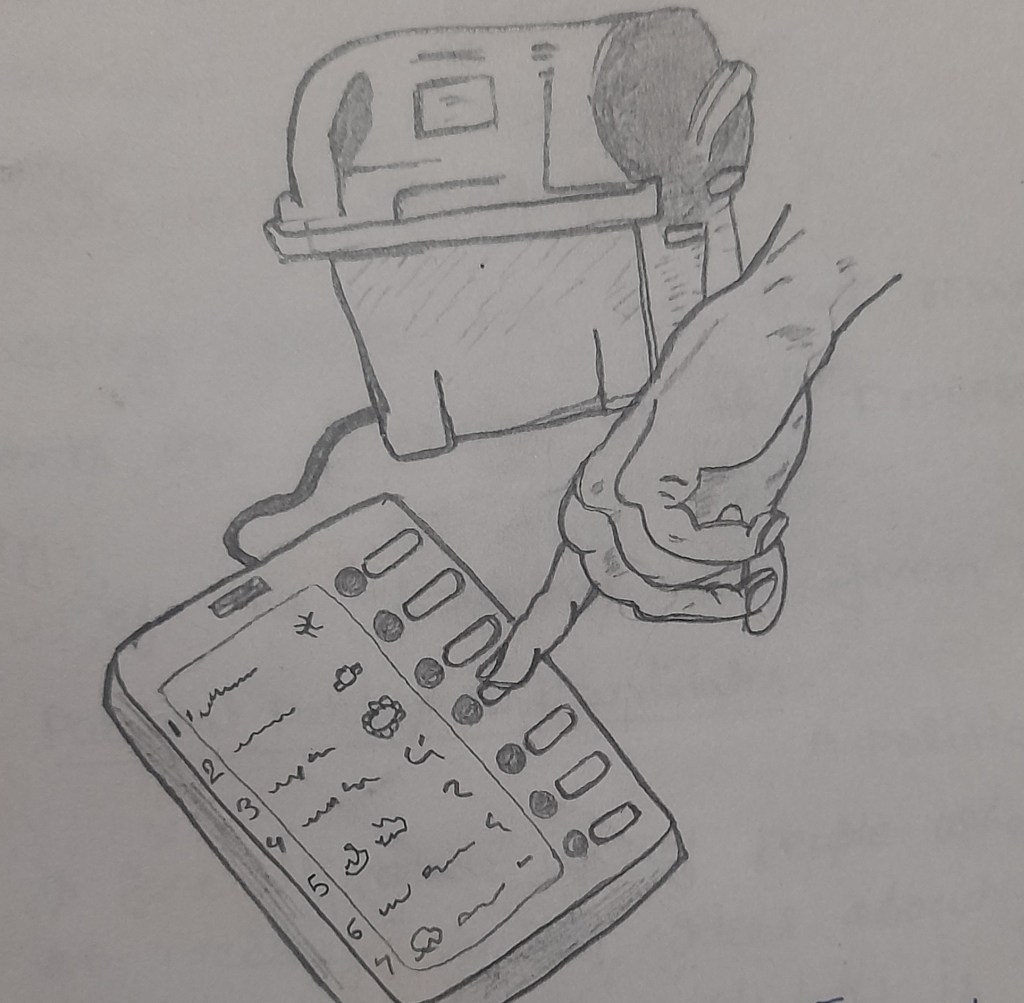
Voting system:-
A voting system or an electoral system is a set of rules that determine how vote an individual and referendums are conducted and how their results are determine and also it will Be in legal nature.
Who can participate in voting system?
Voting system is not only one thing it is combination of elements and process.
Elements of this system :-
●Authorized body
It likes an institution who must manage all the activity and publication result of this system. Example for in India the Election commission of india .
●Political parties:-
It is one of the major element of this system. Mainly political party made up of people who shere an ideology, comman ideas about the governance.
●voters:-
It is a person who authorized by the government who give their vote to any candidate or party. In India the Act of Indian Majority Act 1875 (amended 1999) says that the age of 18 any citizen of India can give their vote.
Types and examples:-
◆Plurality system
1. FPTP – first past the post
a) SMDP :- single member district
b) MMDP :- multi member district
Examples :- India,USA, Westminster
2. Two round system
Example :- president of many countries,france
3. Instant round off system
Example:- Australian House of representative.
◆ Proportional reforestation system
1. Party list voting
a) closed list b) open list
Example:- Israel,Brazil, South Africa
2. Mixed members proportion voting system
Example :- Germany
3. Single transferable vote system
Example- Indian Raj sabha
◆ Semi- proportional system
1. Cumulative vote system
2. Limited vote system
◆ Plurality system
1. FPTP:-
In a first past the post voting formerly called single member plurality voting or as a electoral system members of the electorate cast their vote for the candidate of their choice and the candidate who received the most votes win, even if they did not receive a majority of the votes . the system is used in UK ,Canada for the house of commons.
2. Two round system:-
The central feature of two round system is as the name suggests if is not one election but take place in two rounds of an a short time apart. example for president of many countries , France
3. Instant run off voting:-
In this voting ranking the candidate in order to preference of them opinion example for Australian house of representatives.
◆ Proportional representation system
1. Party list voting:-
It is a manly voting system based on party for the family of voting systems emphasized proportional representative in election in which multiple candidate is ample for Israel and Brazil.
2. Mixed member proportional voting system:-
In this electrical system in which water get two boats one decided the representative for their single seat constituenly and another for the political party. Example for Germany
3. Single transferable vote system:-
The Single Transferable Vote in the proportional voting system designed to achieve or closely approach proportional representation through voters ranking candidate in multi seat organization or constituency. Example for Indian raj sabha.
◆ semi proportional system :-
1. Cumulative vote
• many voting power
• no limitation of vote for candidate
For example
A, B, C, are parties
I have 7 vote power I give all vote for A it is cumulative
Example :- A. B. C.
A :- 5 vote
B:- 2 vote
2. Limited vote system
•many voting power
• limitation of the vote for a candidate.
Conclusion
In the whole word different types of voting system are involved and developed . voting system may be different in different situation in India we used plurality system and proportional representation system for what India is a biggest democracy in the world. ln India context voting system may be very important because India is the second largest population in the whole world.
Reference:-
•The palgrave Macmillan politics, Andrew Heywood.
• website of voting
YouTube channels
Thanks you………………….
 LEGALLOG